

Imagine stepping into a realm where the ordinary morphs into the extraordinary, all thanks to *LTL vs. FTL freight shipping*. Every so often, something comes along that flips the script on everything we thought we knew. It’s not about replacing what we have but transforming it to operate at a level beyond our current imagination.
The Essentials of LTL vs. FTL Freight Shipping
Choosing between LTL vs. FTL freight shipping can make or break your business’s bottom line. You can’t afford to make the wrong choice. Rest assured, we have everything under your control.
Acknowledging Freight Classification and Its Impact on Shipping
Freight class is a critical factor in determining your LTL shipping rates. The National Motor Freight Traffic Association (NMFTA) has established 18 freight classes, ranging from Class 50 to Class 500. On the other hand, FTL shipping rates are generally based on factors like distance, weight, and lane rather than freight class.
LTL Shipping: Boosting Competence for Compact Deliveries
If your shipment doesn’t require an entire truck, LTL shipments are often the way to go. It allows you to pay only for the space your freight occupies, which can lead to significant cost savings. LTL shipping is ideal for shipments that weigh between 150 and 15,000 pounds.
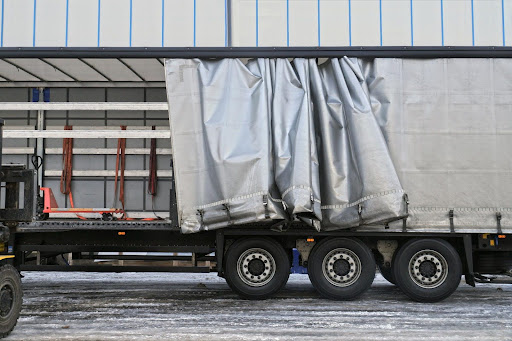
FTL Shipping: When You Need the Whole Space
If you have a large shipment that fills an entire truck, or if you need your freight to arrive quickly, FTL shipping is the better choice. With FTL shipping, your freight is the only cargo on the truck, which means it can be delivered directly to its destination without any stops in between. Since your freight is the only cargo on the truck, there’s less risk of damage from loading and unloading.
Managing Expenses and Multiplying Savings in Freight Transport
Leveraging LTL (Less Than Truckload) shipping for smaller shipments is another effective strategy to share costs with other shippers without compromising efficiency. It is not just about balancing cost-efficiency with timely delivery but also optimizing shipping route planning to reduce fuel consumption and idle time. Digital freight platforms or carrier contracts can snip shipping costs and increase dispatching efficiency for financial gain.
Key Takeaway:
Choosing between LTL and FTL shipping hinges on your shipment’s size, urgency, and type. Dive into each method to save big and boost efficiency.
Crucial Factors to Evaluate When Selecting LTL vs. FTL Shipping Options
Assessing Delivery Time Requirements
When it comes to delivery times, LTL and FTL are worlds apart. With FTL, you’re looking at a much faster transit time because your goods are loaded onto a dedicated truck and shipped straight to the final destination. LTL freight, on the other hand, shares space with other freight, which means multiple stops along the way.
Grasping the Significance of the Ultimate Delivery Point
The delivery location can make all the difference. For remote or hard-to-reach destinations, FTL is often the better choice for having a dedicated truck, you won’t have to worry about your shipment getting lost in the shuffle of multiple stops and transfers. But if you’re shipping to a major hub or metropolitan area, LTL can be a smart move because LTL carriers often well-served these areas, with regular routes and efficient transit times.
The Footprint of Carriage Dispatching on Business Operations
Choosing the right parcel shipping method can create a chain of events throughout your business, perpetuating far beyond merely shifting items from one location to another. The line of action you take to transmit controls directions ranging from how you manage inventory to the level of satisfaction your customers experience. Give thought to this settlement deliberately.
Transform Your Shipping Procedure into a High-Efficiency Operation
With FTL, you’ve got more control over your shipments by scheduling pick-up times that work for you and tracking your goods every step of the way. Additionally, adopting flexible shipping methods like LTL (Less Than Truckload) allows for more efficient space utilization and cost-sharing among multiple shippers. Companies can refine their transporting means for cut-above adeptness, prompt truckload, and maximum profitability.
Key Takeaway:
Settling between LTL and FTL shipping is weighty for your business. Consider delivery times, destination accessibility, and how each option affects operations to make the best call.
Conclusion
ATS Logistics assembles your transportation demands by weighing the dynamics of LTL vs. FTL freight shipping. Our resources are bespoke to make improvements to your organization, control expenses, and refine transportation times and points. Count on us to fulfill your shipment with perfection and furnish your business with an edge in a competitive market.