
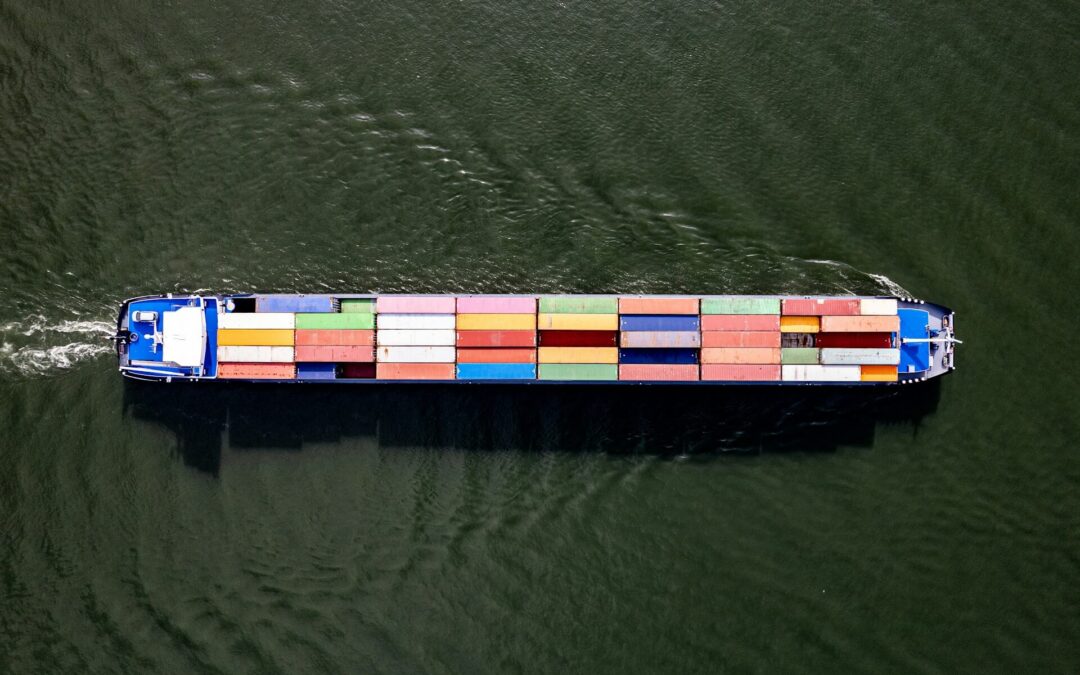
International shipping is a complex process that involves transporting goods across borders through multiple steps and checkpoints. If you’re wondering “how long does international shipping take?”, the answer depends on various factors including shipping method, origin and destination, customs procedures, and regulatory requirements.
In this comprehensive guide, we’ll explore everything you need to know about international shipping times, from understanding the basics to managing expectations and minimizing delays.
Understanding International Shipping: The Basics
International shipping refers to the process of transporting goods from one country to another. Unlike domestic shipping, which stays within a single country’s borders, international shipments must cross international boundaries and clear customs in both the origin and destination countries.
The international shipping process involves several key stages:
- Order Processing and Preparation: The shipper prepares documentation, packages the goods, and arranges for pickup
- Origin Country Processing: The shipment is collected, sorted, and prepared for international transport
- International Transit: Goods travel by air, sea, or land to the destination country
- Customs Clearance: The shipment undergoes inspection and clearance by destination country customs
- Domestic Delivery: Once cleared, the package enters the local postal or courier network for final delivery
Each stage adds time to the overall shipping duration, which is why international shipping typically takes longer than domestic shipping.
Typical International Shipping Times by Method
The shipping method you choose significantly impacts delivery times. Here’s what you can expect from different shipping options:
Express International Shipping
Express shipping is the fastest option, ideal for urgent shipments. Typical delivery times range from 1 to 5 business days depending on the destination. Major carriers like DHL, FedEx, and UPS offer express services that prioritize speed with direct flights and expedited customs clearance.
Express international shipping is more expensive but provides:
- Priority handling at all stages
- Faster customs processing
- Real-time tracking
- Guaranteed delivery dates in many cases
Standard International Shipping
Standard shipping balances cost and speed, making it the most popular choice for regular international shipments. Standard international shipping typically takes 6 to 14 business days, though this varies by destination and carrier.
This method uses regular commercial flights or scheduled ocean vessels, depending on the service level. Standard shipping includes tracking but may experience delays during peak seasons or due to customs processing.
Economy International Shipping
Economy or international ground shipping is the most budget-friendly option, taking 14 to 30 business days or more. This method uses slower transportation modes and may involve multiple transfers and longer processing times at various checkpoints.
Economy shipping works well for non-urgent items where cost savings matter more than speed. However, tracking may be limited, and delivery dates are less predictable.
Air Freight
Air freight moves goods quickly via cargo planes and typically takes 3 to 10 business days. This option suits high-value items, perishable goods, or time-sensitive shipments. Air freight offers reliable transit times but costs more than sea freight.
Sea Freight
Sea freight or ocean freight is economical for large, heavy shipments but has the longest transit times. Depending on the route, sea freight takes 20 to 45 days on average, sometimes longer for remote destinations or when multiple port stops are involved.
Major shipping lanes (like Asia to North America or Europe) often have faster transit times than less common routes. Sea freight transit times also include port processing on both ends, which can add several days to the journey.
International Shipping Times by Route
Shipping durations vary significantly based on origin and destination. Here are typical timeframes for common international routes:
United States to International
- US to UK: 5-7 days (express), 10-14 days (standard)
- US to Europe: 6-10 days (express), 12-16 days (standard)
- US to Canada: 3-5 days (express), 7-10 days (standard)
- US to Australia: 7-12 days (express), 15-25 days (standard)
- US to Asia: 5-8 days (express), 14-21 days (standard)
International to United States
- UK to US: 5-7 days (express), 10-14 days (standard)
- Europe to US: 6-10 days (express), 12-16 days (standard)
- China to US: 3-7 days (express), 15-25 days (standard)
- Australia to US: 7-12 days (express), 20-30 days (standard)
Other Common Routes
- UK to Europe: 3-5 days (express), 7-10 days (standard)
- Australia to UK: 8-12 days (express), 25-35 days (standard)
- Asia to Europe: 5-8 days (express), 18-28 days (standard)
These are approximate timeframes. Actual delivery times may vary based on customs clearance speed, carrier efficiency, and seasonal factors.
What Affects International Shipping Times?
Multiple factors determine the overall duration of international shipping. Understanding these variables helps you set realistic expectations and plan accordingly.
Origin and Destination
Geography plays a fundamental role in shipping times. When you dispatch goods from a location far from the destination, transit times invariably increase. The farther the distance, the longer it takes to deliver. Certain countries may also have more efficient logistical networks than others, impacting how swiftly goods can reach their final destination.
Remote or rural areas add extra time for last-mile delivery, while shipments to major cities typically arrive faster due to better infrastructure and more frequent transportation services.
Carrier and Shipping Method
Different carriers vary in their capabilities, reliability, and speed. Additionally, the mode of transportation, air, sea, or land, further affects duration. For example, air freight is generally the quickest option but can be more expensive for large shipments. Conversely, sea freight is economical for bulk goods but may take longer due to the logistics involved in ocean transportation and port processing.
Carrier selection matters because each company has different networks, partnerships, and customs relationships that impact efficiency. Premium carriers often invest more in infrastructure and technology to speed up processing.
Weather Conditions
Adverse weather events like hurricanes, snowstorms, or heavy rainfall disrupt transport schedules, delay flights, and affect port operations. Carriers may need to reroute shipments or halt services entirely, leading to unpredictable delays.
Seasonal weather patterns can also impact shipping. For instance, typhoon season in Asia or winter storms in North America can cause widespread delays. During these periods, adding buffer time to your shipping estimates is wise.
Peak Seasons and Holidays
International shipping slows during peak periods like holiday seasons (November-December), Chinese New Year, and other major holidays in origin or destination countries. Increased shipping volumes overwhelm carriers and customs facilities, leading to processing delays.
Planning ahead and shipping early during these periods helps avoid delays. Some carriers offer peak season surcharges but provide more reliable service during high-volume periods.
Customs and Regulations
Customs and regulations govern the import and export processes of goods across borders for compliance, safety, and security reasons. Each country has its own customs policies that involve various requirements.
Customs processing is often the most variable factor in international shipping times. While some shipments clear customs within hours, others may be held for days or even weeks, depending on the complexity of the shipment and thoroughness of inspections.
Understanding Customs Processes and Clearance Times
Customs clearance is the process of approving goods for import or export by a country’s customs authority. This clearance ensures that shipments comply with local laws and regulations regarding taxes, duties, and safety standards.
How Long Does Customs Clearance Take?
Customs clearance times vary by country and shipment type but typically take 1 to 7 business days. Here’s what to expect:
- Fast-Track Clearance: 1-2 days for express shipments with proper documentation
- Standard Clearance: 3-5 days for typical commercial shipments
- Extended Clearance: 7+ days for shipments requiring detailed inspection or with documentation issues
Some countries are known for faster customs processing:
- United States: Typically 1-2 days with proper documentation
- United Kingdom: Usually 1-3 days
- European Union: Generally 2-4 days
- China: Often 3-7 days due to thorough inspections
- Australia: Typically 2-5 days
The Customs Process Explained
During customs clearance, you must declare and submit the required documentation to customs officials. These documents must provide detailed information about the shipment, and the customs authorities will assess them and may even inspect the goods.
The process involves:
- Documentation Review: Customs officers examine commercial invoices, packing lists, and import/export licenses
- Tariff Classification: Items are classified to determine applicable duties and taxes
- Valuation: The declared value is verified against market prices
- Risk Assessment: Shipments are screened for security risks or prohibited items
- Physical Inspection: Selected shipments undergo physical examination
- Duty Payment: Required taxes and duties must be paid before release
- Release: Once approved, goods are released for delivery
How Long After Customs Clearance Until Delivery?
Once your package clears customs, delivery to the final destination typically takes 1 to 5 business days, depending on the destination’s distance from the customs facility and the carrier’s delivery schedule.
In major cities, packages often arrive within 1-2 days after customs clearance. Rural or remote locations may take 3-5 days for final delivery. Express services prioritize post-customs delivery and often complete it within 24 hours.
Common Causes of Customs Delays
Delays in customs clearance can occur because of the following:
- Incomplete or incorrect documentation: Missing information or errors in customs forms
- Valuation and classification discrepancies: Questions about declared value or product categorization
- Restricted or prohibited items: Shipments containing items requiring special permits or that are banned
- Failure to pay duties and taxes: Delays when payment isn’t processed promptly
- Random inspections: Routine checks that require physical examination
- Denied parties: Shipments involving sanctioned individuals or entities
- Non-compliance with specific regulations: Violations of product-specific rules (medical devices, food items, etc.)
- Peak season congestion: High volumes during holidays overwhelming customs facilities
- Incomplete address information: Missing or unclear delivery addresses
- Import license requirements: Items needing special import authorization
How Long Can Customs Hold a Package?
Customs can hold a package for varying periods depending on the reason:
- Routine holds: Usually resolved within 3-7 days
- Documentation issues: May take 1-2 weeks to resolve
- Serious violations: Can extend to 30+ days or result in seizure
If customs holds your package for an extended period, working with a customs broker can expedite resolution.
Regulations Impacting Shipping Times
International trade regulations encompass various elements such as tariffs, trade agreements, and import or export restrictions, influencing trade flow and cost. Governments use tariffs or taxes imposed on imported goods to protect domestic industries and generate revenue, which affects pricing and competitiveness in international markets.
Trade agreements like free trade agreements (FTAs) establish the terms of trade between countries. Countries may also enforce specific import or export restrictions on certain goods for reasons like national security, health concerns, or environmental protection.
Different markets have specific regulations that impact shipping times. For instance, the European Union has stringent regulations on product standards, labeling, and safety, which can extend clearance times. The United States also enforces strict customs and border protection measures, while China’s customs processes can be lengthy due to thorough inspections and regulatory compliance checks.
International Shipping Regulations by Region
Each region has unique requirements that affect processing times:
European Union:
- Strict product safety standards
- Detailed labeling requirements
- EORI (Economic Operators Registration and Identification) numbers required
- VAT collection at import
United States:
- ISF (Importer Security Filing) required for ocean freight
- FDA regulations for food, drugs, and medical devices
- CPSC compliance for consumer products
- Automated Commercial Environment (ACE) system processing
China:
- Comprehensive inspection protocols
- China Compulsory Certificate (CCC) for many products
- Strict documentation requirements
- Customs supervision during transit
Australia:
- Biosecurity clearance for agricultural products
- Strict quarantine measures
- Detailed import declarations required
- GST collected at border
Regulations can change at any time, adding to the complexity of international shipping. For example, the United Kingdom’s departure from the EU in 2020 introduced new customs requirements, leading to initial delays and longer shipping times for goods between the UK and the EU.
Why Does International Shipping Take So Long?
Several factors contribute to longer international shipping times compared to domestic delivery:
- Distance: International shipments travel thousands of miles, requiring multiple modes of transport
- Customs Processing: Every international shipment must clear customs, adding 1-7 days minimum
- Multiple Handoffs: Packages transfer between multiple carriers, facilities, and countries
- Documentation Requirements: Complex paperwork must be prepared, verified, and processed
- Security Screenings: Enhanced security measures require additional inspection time
- Regulatory Compliance: Ensuring compliance with import/export laws takes time
- Infrastructure Variations: Not all countries have equally efficient logistics networks
- Language Barriers: Communication issues can slow problem resolution
- Time Zone Differences: Coordination across time zones delays communications
- Limited Transport Options: Fewer direct routes mean more connections and longer transit
Understanding these factors helps set realistic expectations and explains why even express international shipping takes longer than domestic express delivery.
International Shipping Delays: Causes and Solutions
Despite careful planning, delays can occur. Here are common causes and how to address them:
Common Delay Causes
Documentation Errors: Incorrect or incomplete customs forms are a leading cause of delays. Solution: Double-check all documentation before shipping and use experienced freight forwarders.
Customs Inspections: Random or targeted inspections extend clearance times. Solution: Ensure accurate declarations and be prepared to provide additional information quickly.
Peak Season Congestion: High shipping volumes during holidays create bottlenecks. Solution: Ship early and consider premium services during peak periods.
Weather Disruptions: Storms, natural disasters, and extreme weather delay transportation. Solution: Monitor weather forecasts and build buffer time into shipping schedules.
Incomplete Addresses: Missing or unclear destination information causes delivery failures. Solution: Verify complete, accurate addresses including postal codes and phone numbers.
Restricted Items: Products requiring special permits or facing restrictions. Solution: Research destination country import rules before shipping.
Payment Delays: Late payment of duties and taxes holds shipments at customs. Solution: Set up accounts with carriers for automatic duty payment or respond promptly to payment requests.
Carrier Capacity Issues: Limited space on flights or vessels, especially during disruptions. Solution: Book shipping space early and maintain relationships with multiple carriers.
How To Estimate International Shipping Times
Estimating international shipping times requires tools and resources that provide accurate and timely information. Logistics companies often utilize software platforms that integrate real-time tracking data, historical transit times, and customs processing durations.
Tools and Methods for Time Estimation
Carrier Websites: Most major carriers offer shipping time calculators on their websites. Input your origin, destination, and shipping method to get estimated delivery dates.
Shipping Management Software: Advanced logistics platforms aggregate data from multiple carriers, providing comprehensive time estimates based on:
- Historical shipping data
- Current carrier performance
- Customs processing averages
- Seasonal trends
Customs Broker Insights: Experienced customs brokers can provide realistic clearance time estimates based on current conditions at specific ports and border crossings.
Online Shipping Calculators: Third-party tools compare multiple carriers and provide time and cost estimates side by side.
Carrier APIs: Businesses shipping regularly can integrate carrier application programming interfaces (APIs) into their systems, which offer real-time estimates based on current conditions and historical performance.
Understanding Estimated vs. Actual Times
Understanding the disparity between estimated and actual shipping times is crucial. For example, a U.S.-based company might estimate a delivery time of seven to 10 days for a shipment to Australia. However, unforeseen delays due to customs inspections or air traffic issues could extend the actual delivery time to 14 days or more.
Estimated times typically represent:
- Best-case scenarios: Assuming no delays or complications
- Average performance: Based on historical data
- Standard conditions: Not accounting for peak seasons or unusual circumstances
Actual shipping times can vary by:
- ±2-3 days for express shipments
- ±5-7 days for standard shipments
- ±10-14 days for economy shipments
Always add buffer time when planning shipments with firm deadlines. A good rule of thumb is to add 25-30% to estimated times for critical shipments.
Tracking Your International Shipment
Modern shipping services provide tracking capabilities that let you monitor your package’s progress. Understanding tracking statuses helps you anticipate delivery times and identify potential issues early.
Common Tracking Statuses and What They Mean
“In Transit”: Your package is moving through the transportation network. This status can apply to various stages, from origin country departure to final destination transport.
“International Transit”: The shipment has left the origin country and is en route to the destination country.
“Arrived at Customs”: Your package has reached the destination country’s customs facility and is awaiting inspection and clearance.
“Customs Clearance”: Customs officials are reviewing documentation and may be inspecting the goods.
“International Shipment Release”: Your package has cleared customs and is being transferred to the local postal service or courier for final delivery.
“Out for Delivery”: The package is on a delivery vehicle heading to your address.
“Delivered”: The shipment has been successfully delivered to the recipient.
Real-Time Tracking Benefits
Real-time tracking offers several advantages:
- Visibility into shipment location and status
- Estimated delivery date updates
- Proactive notifications of delays
- Proof of delivery documentation
- Enhanced security and theft prevention
Most carriers provide tracking through websites and mobile apps. Advanced tracking systems also send email or SMS notifications at key milestones.
Strategies To Mitigate Delays
Delays are one of the many challenges that businesses face when shipping internationally. They may be out of your control, but there are ways to mitigate their impact on your supply chain. Here are some of the best practices:
Proactive Delay Prevention
Choose Reliable Carriers: Select reputable shipping partners with proven track records in international logistics. Research carrier performance, read reviews, and consider their network strength in your target countries.
Understand Regulations: Stay informed about customs regulations, tariffs, and import or export restrictions in target countries. Subscribe to updates from customs authorities and trade organizations.
Optimize Packaging: Use efficient packaging to lower shipping costs and improve delivery timelines. Proper packaging also prevents damage that could cause customs delays or rejections.
Utilize Technology: Invest in shipping management software that can track shipments in real time and provide updates on status changes. Automated systems reduce human error and speed up processing.
Implement Buffer Times: Incorporate buffer periods in your shipping estimates to account for unpredictability in customs and transit times. For standard shipments, add 5-7 days; for critical shipments, consider 10-14 days.
Maintain Accurate Documentation: Ensure all customs forms are complete, accurate, and submitted on time. Common documentation includes:
- Commercial invoice
- Packing list
- Certificate of origin
- Export/import licenses
- Product certifications
Work with Customs Brokers: Professional customs brokers navigate complex customs processes, prepare documentation, and communicate with authorities on your behalf. They save time and money while helping you meet delivery deadlines.
Pre-Clear Shipments: Some programs allow pre-clearance of goods before they arrive, significantly reducing customs processing time:
- U.S. Customs-Trade Partnership Against Terrorism (C-TPAT): Offers expedited processing for certified importers
- Authorized Economic Operator (AEO): European program for trusted traders
- Trusted Trader Programs: Available in many countries for regular importers
Plan Around Peak Seasons: Ship early during high-volume periods like holidays, or consider premium services that prioritize handling during congestion.
Diversify Carrier Options: Maintain relationships with multiple carriers to provide alternatives when one faces capacity constraints or disruptions.
Communicate Proactively: Keep open lines of communication with your partners and customers to manage expectations and provide timely updates. Transparency builds trust and reduces frustration when delays occur.
Review Performance Regularly: Regularly review your shipping processes and results to identify bottlenecks and opportunities for improvement. Track metrics like on-time delivery rates, customs clearance times, and delay causes.
Handling Delays When They Occur
When delays happen despite your best efforts:
- Monitor closely: Use tracking to identify where delays occur
- Communicate immediately: Notify customers as soon as you become aware of delays
- Investigate causes: Contact carriers and customs brokers to understand why delays happened
- Provide alternatives: Offer expedited replacement shipments when necessary
- Document issues: Keep records for insurance claims or carrier disputes
- Learn and adapt: Use delay experiences to improve future shipments
Best Practices for Faster International Shipping
Want to speed up your international shipments? Consider these strategies:
Service Level Selection
Choose the right shipping method for your needs:
- Express services for urgent shipments where cost is secondary
- Standard services for regular shipments balancing speed and cost
- Economy services only when time is not critical
Strategic Carrier Partnerships
Develop relationships with carriers that offer:
- Dedicated account management
- Priority processing
- Negotiated rates
- Enhanced tracking and visibility
- Direct lines to customer service
Shipping Preparation Excellence
Reduce processing time through:
- Pre-printed labels
- Electronic customs forms
- Consolidated shipments
- Standardized packaging
- Batch processing systems
Distribution Strategy
Consider establishing:
- Regional distribution centers in key markets
- Forward stocking locations
- Fulfillment partnerships
- Cross-border warehousing arrangements
These strategies reduce international transit by positioning inventory closer to customers.
Technology Integration
Leverage technology for efficiency:
- Automated shipping systems
- Electronic data interchange (EDI) with customs
- API integrations with carriers
- Inventory management systems
- Multi-carrier shipping platforms
International Shipping for E-Commerce
E-commerce businesses face unique challenges with international shipping. Here’s what online retailers need to know:
Managing Customer Expectations
Transparent Delivery Estimates: Display realistic delivery timeframes at checkout. Show date ranges rather than specific dates for international orders.
Shipping Options: Offer multiple shipping speeds so customers can choose between faster, more expensive options and slower, cheaper alternatives.
Tracking Information: Automatically send tracking numbers and provide a tracking page where customers can monitor their orders.
Clear Communication: Send email updates at key milestones (shipment departure, customs clearance, out for delivery).
Returns and Exchanges
International returns are complex and expensive. Consider:
- Clear return policies explaining international return processes
- Local return centers in major markets
- Virtual returns (refund without physical return for low-value items)
- Prepaid return labels where economically feasible
Landed Cost Calculation
Help customers understand total costs by:
- Calculating duties and taxes at checkout
- Using Delivered Duty Paid (DDP) shipping
- Clearly stating any additional fees customers might incur
Choosing the Right International Shipping Partner
Selecting the right logistics provider impacts your shipping times significantly. Here’s what to look for:
Key Selection Criteria
Global Network: Choose providers with extensive international networks and partnerships. Strong networks mean more direct routes and fewer handoffs.
Customs Expertise: Look for providers with deep customs knowledge and established customs broker relationships.
Technology Capabilities: Modern systems for tracking, documentation, and communication are essential.
Service Level Options: Multiple speed options give you flexibility for different shipping needs.
Reliability Track Record: Research on-time delivery rates, customer reviews, and industry reputation.
Value-Added Services: Consider providers offering:
- Warehousing and distribution
- Freight forwarding
- Insurance options
- Packaging services
- Returns management
Questions to Ask Potential Partners
Before selecting a provider, ask:
- What are your average transit times for my routes?
- How do you handle customs clearance?
- What documentation support do you provide?
- Do you offer real-time tracking?
- What happens if there are delays?
- How do you communicate with customers?
- What are your peak season policies?
- Do you have partnerships in my destination countries?
The Future of International Shipping Times
International shipping continues to evolve with technological advances and changing trade patterns. Here’s what’s on the horizon:
Emerging Trends
Automation: Automated customs processing, warehouse robotics, and AI-powered logistics planning are reducing processing times.
Blockchain Technology: Distributed ledger systems are streamlining documentation and reducing paperwork delays.
Improved Infrastructure: Countries are investing in port facilities, airports, and logistics networks to handle growing trade volumes more efficiently.
E-Commerce Integration: Customs authorities are developing programs specifically for e-commerce shipments, offering faster clearance for low-value items.
Predictive Analytics: Advanced analytics predict potential delays and suggest alternative routing or timing.
Sustainable Shipping: While green shipping initiatives may slightly extend transit times, they’re becoming increasingly important for brand reputation and regulatory compliance.
Impact on Delivery Times
These innovations promise to:
- Reduce customs clearance times by 30-50%
- Improve transit time predictability
- Enable real-time problem resolution
- Streamline documentation processes
- Enhance end-to-end visibility
However, international shipping will always take longer than domestic due to inherent distances and regulatory requirements. The focus is on making times more predictable and reducing unnecessary delays.
Wrapping Up
How long does international shipping take? As we’ve explored, the answer varies widely based on shipping method, route, customs procedures, and numerous other factors. Express services deliver in 1-5 days, standard shipping takes 6-14 days, and economy options require 14-30 days or more.
Understanding the factors that affect shipping times, from customs clearance to carrier selection to weather conditions, helps you set realistic expectations and plan effectively. While delays can occur, implementing best practices like choosing reliable carriers, maintaining accurate documentation, working with experienced customs brokers, and using modern tracking systems significantly reduces their frequency and impact.
The key to successful international shipping is staying informed, planning ahead, building in buffer time, and working with experienced logistics partners who understand the complexities of cross-border trade. As international trade continues to evolve, being proactive about regulatory compliance and customs procedures will remain critical to efficient global shipping operations.
At ATS Logistics, service is our only product. As a trusted third-party logistics provider, we understand the importance of excellent supply chain management and deliver freight services that never stop working for your business. Our international freight services support your international shipping needs, helping you reach and grow your global market. Whether you need express air freight, economical sea freight, or LTL international shipping solutions, our experienced team guides you through every step of the process.
With our comprehensive network, customs expertise, and commitment to transparency, we help businesses minimize delays and optimize their international shipping operations. Contact us today to discuss your international shipping requirements and discover how we can help you deliver on your global promises.